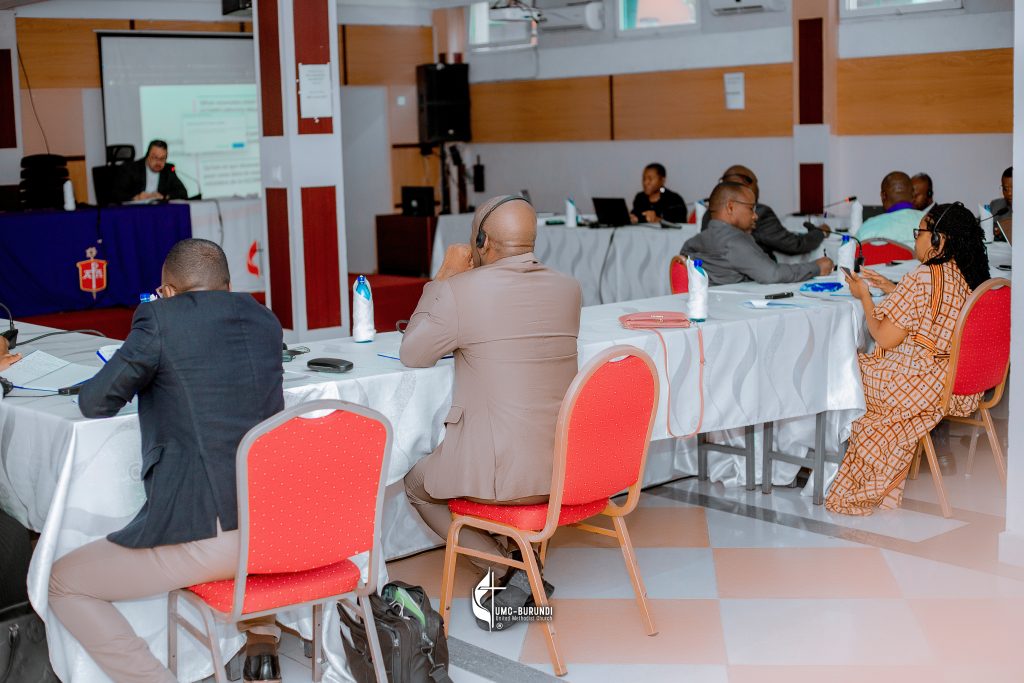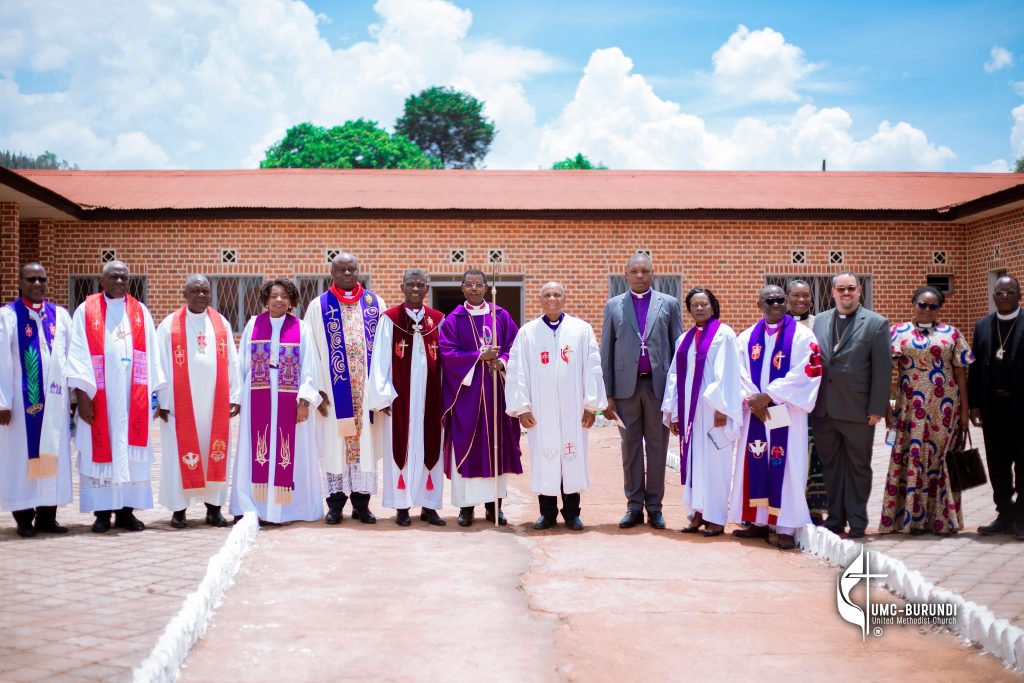
On Wednesday, March 11, 2026, the Burundi–Rwanda Episcopal Area of the United Methodist Church hosted a three-day roundtable in Bujumbura, Burundi, bringing together the African College of Bishops in collaboration with the Church’s General Commission on Religion and Race (GCORR). The conference focused on unity in diversity and explored the theme of tribalism and its impact on the Church and social cohesion across the continent.
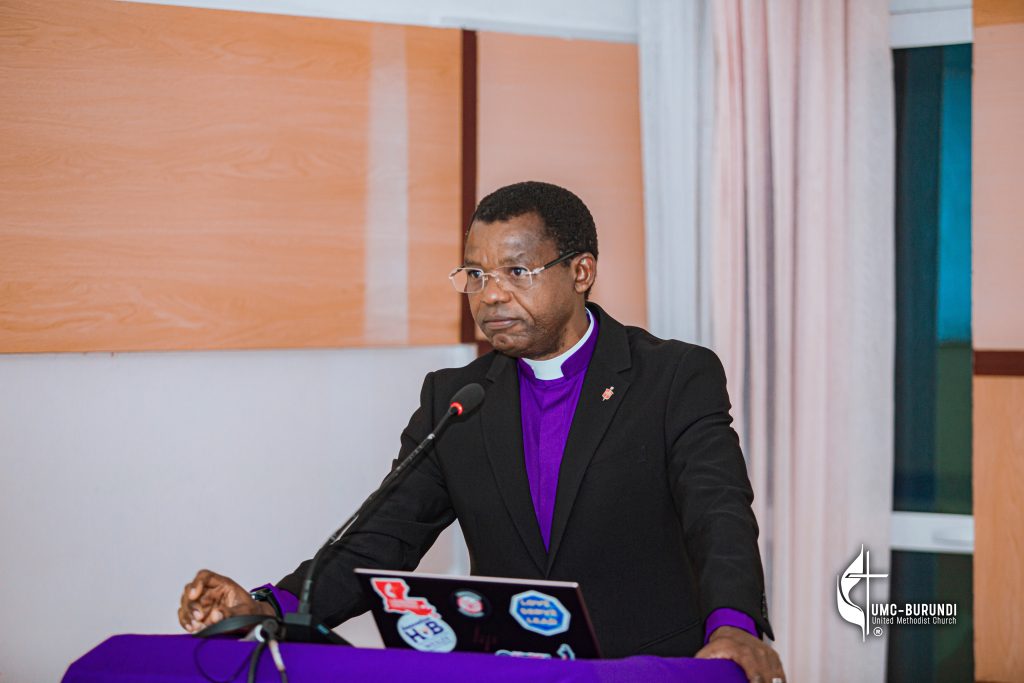
In his opening devotion, His Excellency Emmanuel Sinzohagera, Bishop of the Burundi–Rwanda Episcopal Area, cited Galatians 3:28:
“There is neither Jew nor Greek, there is neither slave nor free… for you are all one in Christ Jesus.”
Bishop Sinzohagera emphasized that our unity in Christ transcends all human differences, calling on leaders to embrace inclusivity, foster harmony, and actively counter tribal divisions that threaten social cohesion.
Participants from multiple African countries were warmly welcomed by His Excellency Évariste Ndayishimiye, President of the Republic of Burundi, honoring his recent role as chair of the African Union’s Assembly of Heads of State.
The discussions highlighted the Church’s critical role in promoting unity among people and supporting national development initiatives, particularly in public health and access to clean water. These conversations encouraged participants to explore practical ways of fostering reconciliation, bridging cultural divides, and promoting social cohesion in their communities.
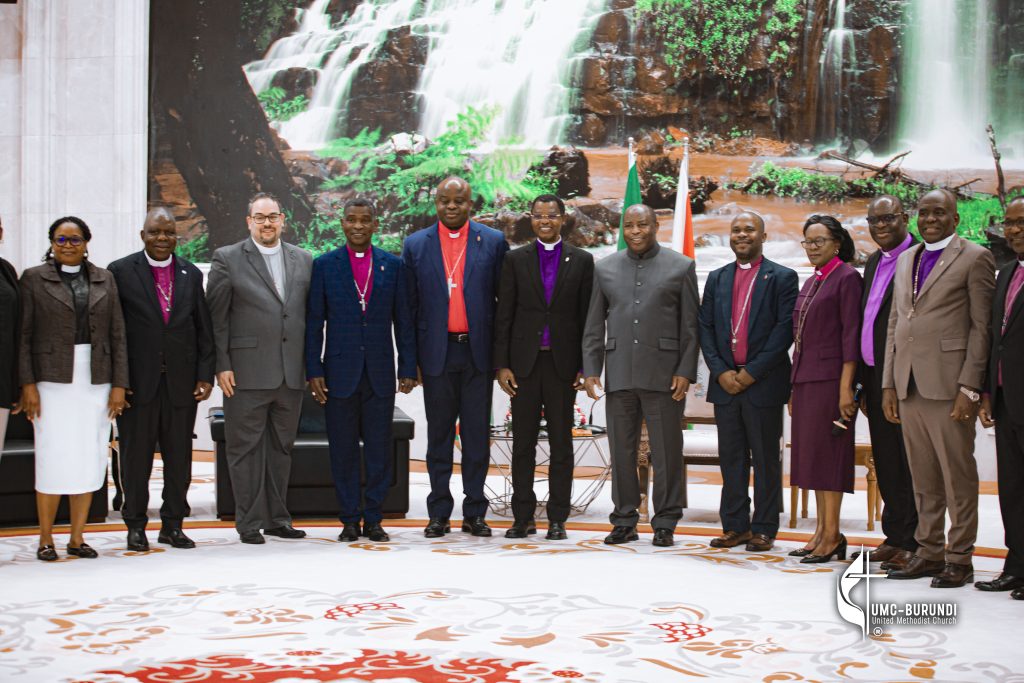
Following the conference, the bishops continued their work during a retreat session, where further strategic planning took place.
Key Outcomes from the Roundtable
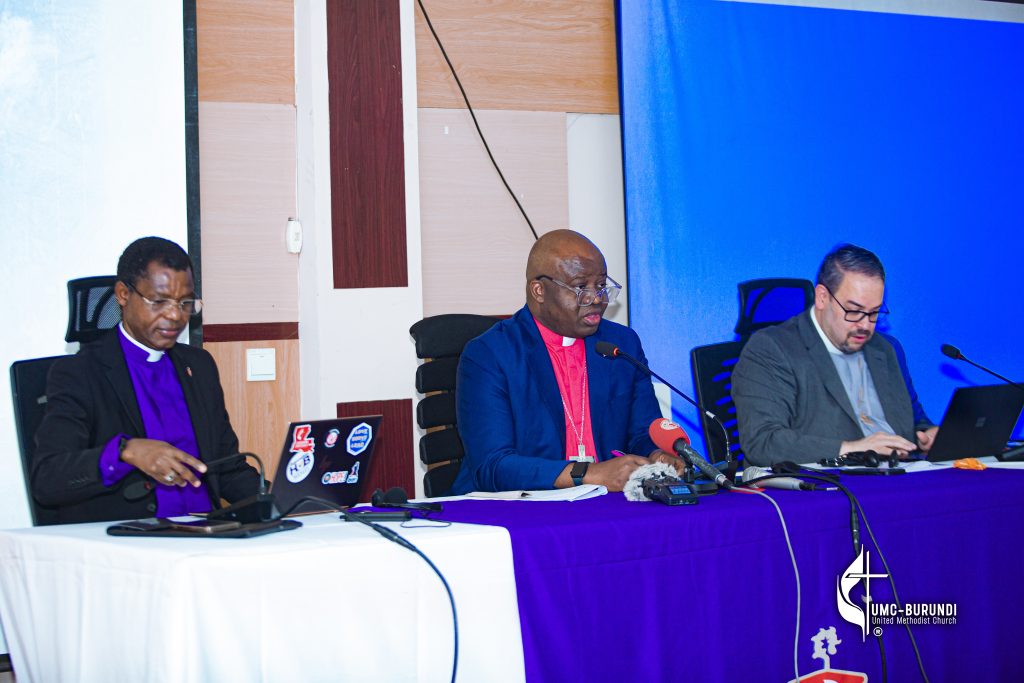
According to General Secretary Giovanni Arroyo, gathering bishops from across Africa was a blessing, providing a platform to strengthen the Church’s work on cultural differences, equity, and reconciliation.
Two major outcomes were identified:
- Establishing Leadership Liaisons: Leaders across Episcopal areas will act as liaisons between the General Commission and local conferences. These Conference Commissions on Religion and Race will serve as resources for bishops and conferences, helping to address tribalism, foster dialogue, and promote unity.
- Training Mediators for Conflict Resolution: Specialized mediators will be trained to support Episcopal leaders in conflict situations, providing the leadership needed to bring healing, reconciliation, and social cohesion to communities affected by division.
General Secretary Arroyo affirmed that the Church will continue to work in partnership as these initiatives are developed, ensuring that unity in diversity is not only promoted in discussion but actively implemented across the African continent.